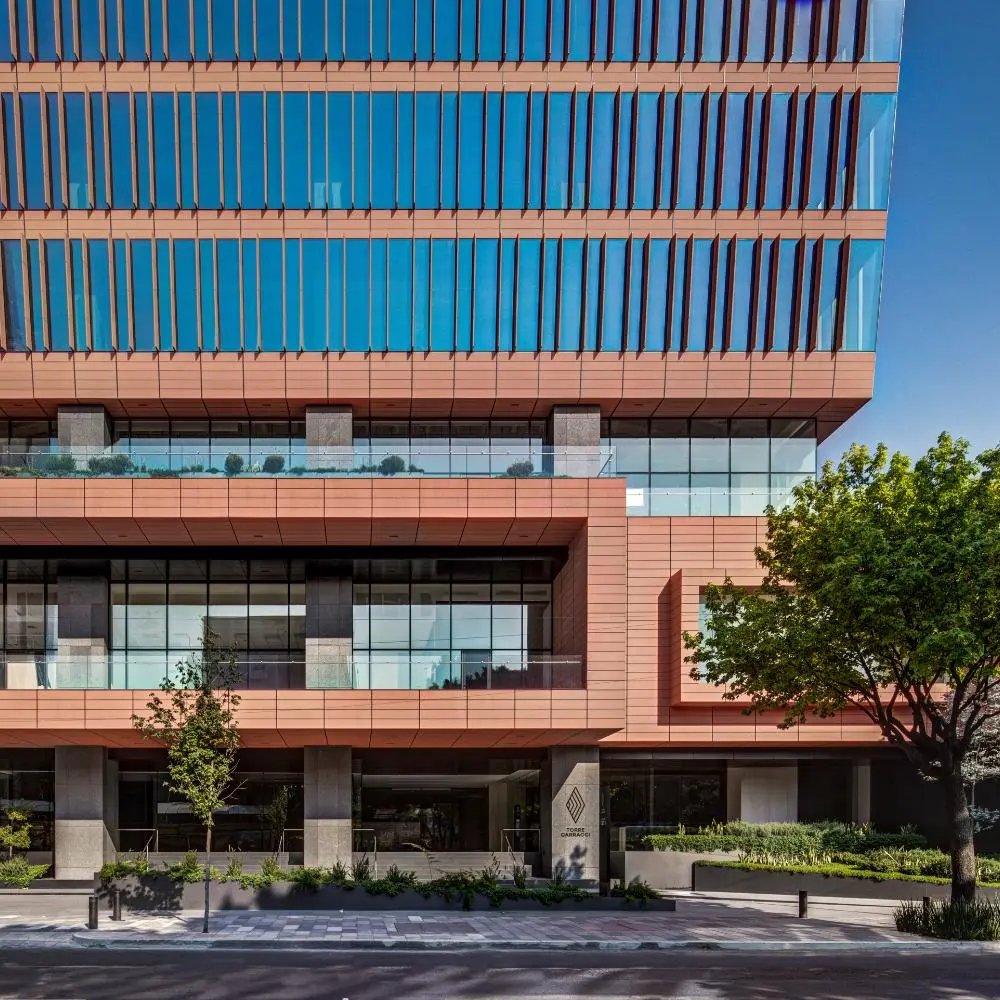
Glass Curtain Wall
Product Overview
A glass curtain wall is a building envelope system that uses glass as its primary panel material. It is fixed to the main structural framework of the building via aluminum alloy mullions, steel structures, or point-supported systems. The curtain wall does not bear the primary structural loads of the building; it only withstands its own weight, wind loads, seismic forces, and thermal expansion. With its strong transparency and striking visual impact, this system can significantly elevate a building’s modern aesthetic. Combined with Low-E coatings and insulated glass units, it also delivers excellent energy efficiency and daylighting performance. Widely used in large-scale construction projects worldwide, it has become one of the core choices for contemporary architectural facades.
Structural Composition and Technical Principles
The structure of a glass curtain wall comprises several key subsystems, each performing specific functions to ensure stable operation and optimal performance. The panel system forms the visual centerpiece of the curtain wall, typically using tempered glass, insulated glass units, or laminated glass. Different glass types can meet varying project requirements for safety, energy efficiency, and aesthetics. The support system transfers the load from the panels to the building’s main structure and includes aluminum profiles, steel frameworks, and connection brackets, allowing selection of appropriate support methods based on building height and design needs. The sealing system employs silicone structural adhesives and weatherproof sealants to ensure watertightness and airtightness, preventing water infiltration and air leakage. Meanwhile, the thermal insulation system utilizes hollow spaces and Low-E coatings to greatly enhance the curtain wall’s heat insulation and reduce heat transfer between indoor and outdoor environments.
The operating principle of a glass curtain wall follows a clear load-transfer pathway: when external loads—such as wind pressure or seismic forces—act upon the glass panels, the load is first transferred to the mullion system, then progressively passed through connectors to the building’s main structure. Ultimately, the main structure bears all external forces, ensuring the curtain wall remains stable without imposing additional loads on the building itself. This load-transfer design not only guarantees the safety of the curtain wall but also allows the building’s structural engineers to avoid overdesigning the main structure to accommodate extra load capacity, thereby optimizing overall structural efficiency.
Core Advantages
1. Striking Visual Impact and High Transparency: With transparent or semi-transparent glass panels, the curtain wall maximizes the integration of interior space and exterior environment, creating a highly modern appearance that enhances a building’s prestige. It is a signature facade choice for high-end developments such as commercial complexes and super-tall office towers.
2. Excellent Energy Efficiency: Glass panels coated with Low-E technology effectively reflect infrared radiation, reducing heat loss indoors and heat gain outdoors. The hollow layers of insulated glass further block heat transfer, significantly lowering HVAC energy consumption. Additionally, the high light transmittance of glass curtain walls maximizes natural lighting, reducing daytime illumination needs and further cutting lighting costs.
3. Highly Standardized Design and Mature BIM Integration: After years of development, the design standards for glass curtain walls have been well established. Coupled with BIM technology, precise detailing ensures seamless integration between the curtain wall and the building’s main structure, improving construction efficiency and installation accuracy—particularly beneficial for large, complex overseas projects.
4. Versatile Applications: Whether in super-tall office buildings, commercial complexes, hotels, airport terminals, or convention centers, glass curtain walls can be tailored to meet diverse functional and aesthetic requirements.
Target Customer Base
The primary customer segments served by glass curtain walls span multiple links in the construction industry chain, including curtain wall engineering firms, curtain wall design companies, installation contractors, general contractors specializing in curtain walls, general construction contractors, EPC firms, and state-owned construction groups. They also include developers of commercial complexes, residential projects, industrial parks, and hotel investment groups. Furthermore, architectural design institutes, curtain wall consulting firms, and architectural practices are important partners, especially those capable of managing international turnkey projects, which represent key clients for glass curtain wall solutions.
Application Scenarios
Thanks to its unique performance and aesthetic advantages, glass curtain walls find extensive use across various large-scale building contexts: In super-tall office towers, their transparent façades enhance modernity and business appeal while providing ample natural light; in commercial complexes, expansive glass curtain walls attract foot traffic and boost the visibility of retail spaces; in public facilities like hotels, airport terminals, and convention centers, they create open, bright interiors that improve visitor experiences. Additionally, financial centers, hospitals, and other specialized buildings can select suitable glass curtain wall systems to balance aesthetics with practical functionality.
Industry Pain Points and Solutions
While widely adopted, the glass curtain wall industry faces several common challenges. Standardized curtain wall systems offer effective solutions to these issues:
1. Condensation Issues: Often caused by inadequate thermal insulation or failure of insulated glass units. Using insulated glass with Low-E coatings improves thermal performance, while meticulous attention to sealing quality ensures airtight hollow layers, effectively preventing condensation.
2. Light Pollution: Resulting from excessively high glass reflectivity, this issue can be mitigated by selecting low-reflectivity glass panels or adjusting installation angles and incorporating non-reflective materials locally to minimize light reflection onto surrounding areas.
3. Risk of Spontaneous Breakage: Tempered glass may spontaneously shatter due to nickel sulfide impurities. Choosing high-quality tempered glass, rigorously controlling impurity levels during production, and designing appropriate expansion joints can significantly reduce the likelihood of spontaneous breakage.
4. High Energy Consumption: Poor thermal insulation of single-pane glass is a major contributor to energy waste. Employing insulated glass combined with Low-E coatings dramatically improves thermal performance, reduces HVAC energy use, and helps achieve energy-saving goals.
Frequently Asked Questions (FAQ)
Q1: Does a glass curtain wall increase the structural load on the building?
A: No. As an exterior envelope system, the glass curtain wall does not bear the building’s primary structural loads; it only transfers its own weight and external forces to the main structure, without imposing additional burdens.
Q2: What design features enable the energy efficiency of glass curtain walls?
A: Primarily through the insulating hollow layers of insulated glass units that block heat transfer, coupled with Low-E coatings that reflect infrared radiation to reduce heat exchange. Additionally, high light transmittance maximizes natural daylight utilization, minimizing artificial lighting needs.
Q3: Are glass curtain walls suitable for overseas projects?
A: Yes. With highly standardized designs and mature BIM integration, they can adapt to different national building codes and construction standards, making them widely applicable in large-scale international projects.
Q4: How can spontaneous breakage of glass curtain walls be prevented?
A: By selecting high-quality tempered glass, strictly controlling nickel sulfide impurities during manufacturing, and incorporating adequate thermal expansion joints into the curtain wall design, thus effectively reducing the risk of spontaneous breakage.