

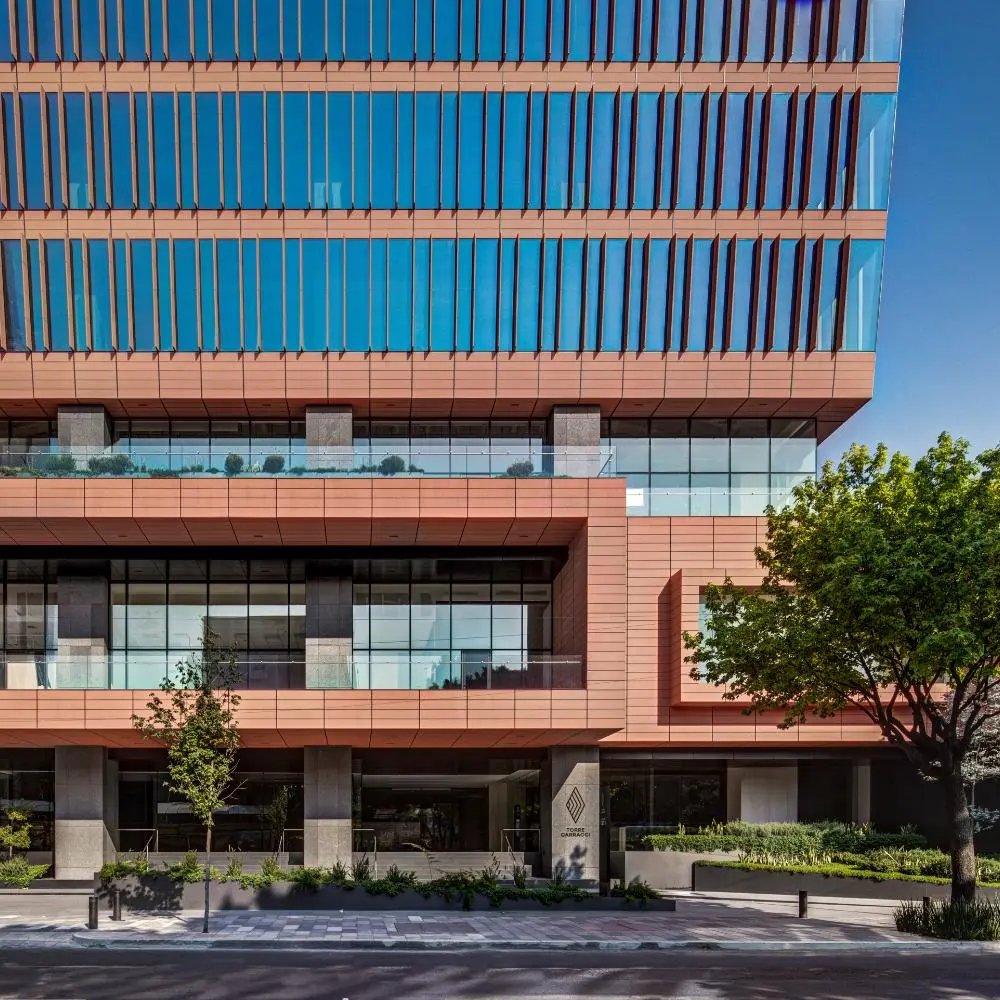


Clay Brick Curtain Wall
Product Overview
The clay brick curtain wall is an exterior architectural facade designed with a specialized hanger system. By layering clay bricks, stainless steel hangers, and structural mullions in sequence with the building’s main structure, it creates an exterior decoration solution that combines aesthetic appeal with functional performance. This curtain wall not only captures the texture of traditional architecture and features distinct European stylistic elements but also offers practical benefits such as energy efficiency, thermal insulation, superior weather resistance, and UV protection. Its cavity‑structured design further supports these functions, making it an ideal choice for exterior cladding across a wide range of building applications.
Installation System Description
The installation of the clay brick curtain wall follows a meticulous hierarchical structure, progressing from the decorative layer to the structural layer: clay bricks, stainless steel hangers, structural mullions, and finally the building’s main structure. The clay bricks serve as the decorative surface, delivering a unique textural quality thanks to their material properties; the stainless steel hangers connect the bricks to the mullions, ensuring secure attachment and corrosion resistance; the mullions act as supporting elements, providing stable load-bearing support for the entire curtain wall system; and finally, through anchoring to the building’s main structure, the complete curtain wall assembly is erected, forming a seamless exterior facade.
Key Performance Features
1. Traditional Architectural Texture: The clay brick material naturally exudes a rich, time‑honored architectural character, lending modern buildings the dignified charm of tradition and enhancing both cultural depth and visual complexity.
2. Distinctive European Style: The texture, coloration, and installation method of the clay bricks perfectly align with the aesthetic principles of European architecture. Whether in classical or neo‑European styles, this curtain wall accentuates a pronounced European flair, meeting the design requirements of specific architectural contexts.
3. Energy Efficiency and Thermal Insulation: Its cavity‑structured design effectively blocks heat transfer between indoors and outdoors, reducing energy consumption for air conditioning and heating, improving overall energy performance, creating a comfortable indoor climate, and lowering long-term operating costs.
4. Cavity Structure Design: The unique hollow structure not only provides a physical foundation for energy efficiency and insulation but also mitigates direct environmental impacts on the curtain wall, enhancing its stability while allowing space for drainage and ventilation, thus keeping the interior dry and secure.
5. Strong Weather Resistance: Capable of adapting to diverse and challenging climatic conditions—whether extreme heat, severe frost, or wind and rain—the curtain wall maintains consistent performance and appearance, extending its service life and reducing subsequent maintenance expenses.
6. UV Resistance: With excellent UV‑blocking capabilities, the clay brick material resists fading and aging even after prolonged sun exposure, preserving the curtain wall’s aesthetic appeal and maintaining the building’s visual impact.
Target Customer Groups
The target customer base for the clay brick curtain wall spans multiple sectors related to architecture, including curtain wall engineering firms, curtain wall design companies, curtain wall construction contractors, general contractors specializing in curtain walls, general building contractors, EPC project companies, state‑owned construction groups, overseas project general contractors, commercial complex developers, residential developers, industrial park developers, hotel investment groups, architectural design institutes, curtain wall consulting firms, and architectural practices. These stakeholders can select the clay brick curtain wall as an exterior cladding solution at various stages of construction projects, tailored to specific project needs.
Application Scenarios
1. Residential Projects: In residential buildings, the clay brick curtain wall creates an exterior façade that balances beauty with functionality, elevating the quality and comfort of living spaces while its energy‑saving and insulating properties help reduce daily utility costs for residents.
2. Campus Buildings: Campus architecture calls for a calm, culturally resonant environment. The traditional texture and European style of the clay brick curtain wall align well with the cultural identity of campuses, while its robust weather resistance and UV protection meet the demands of long‑term use.
3. Commercial District Redevelopment: For revitalizing aging commercial districts, the clay brick curtain wall injects new vitality while retaining the nostalgic charm of traditional architecture, attracting consumer attention and enhancing the overall image and commercial value of the area.
4. Cultural and Tourism Projects: Cultural and tourism developments often demand distinctive architectural aesthetics and textures. The European style and traditional character of the clay brick curtain wall perfectly complement the thematic positioning of such projects, offering visitors a unique visual experience and boosting the project’s appeal.
Solutions to Industry Pain Points
Although the clay brick curtain wall boasts numerous advantages, real‑world applications face challenges such as complex installation, lengthy procedures, susceptibility to damage, and stringent transportation requirements. To address these industry pain points, we provide professional services and standardized processes. For installation complexity and lengthy procedures, we offer expert technical guidance and standardized installation protocols to ensure efficiency and quality; for vulnerability to breakage, we employ specialized packaging materials and transport safeguards, along with dedicated tools and personnel during installation to minimize damage rates; and for demanding transportation needs, we devise customized logistics plans, selecting appropriate modes and routes to guarantee the safe delivery of the clay brick curtain wall.
Frequently Asked Questions (FAQ)
Q1: Is the installation period for the clay brick curtain wall long?
A: While the installation process involves several steps, the overall timeline depends on factors such as project scale and site conditions. However, with a skilled construction team and standardized procedures, installation time can be effectively managed to ensure timely project completion.
Q2: Is post‑installation maintenance difficult?
A: Thanks to its strong weather resistance and UV protection, the clay brick curtain wall requires minimal routine upkeep—simply periodic surface cleaning and structural inspections are sufficient, making maintenance relatively straightforward.
Q3: How does the clay brick curtain wall deliver energy‑saving and insulating benefits?
A: Its cavity‑structured design efficiently prevents heat exchange between indoors and outdoors, reducing heat loss and external heat intrusion, thereby cutting down on heating and cooling energy consumption. Over time, the energy‑saving effects become clearly noticeable.
Q4: Is the clay brick curtain wall suitable for coastal areas?
A: With its robust weather resistance, the clay brick curtain wall can withstand the humid, salty, and corrosive conditions typical of coastal regions, making it well suited for exterior cladding in such environments. However, proper anti‑corrosion treatment during installation is essential to ensure the curtain wall’s longevity.


